
Advanced Wildfire Protection for Luxury Homes in the Bay Area
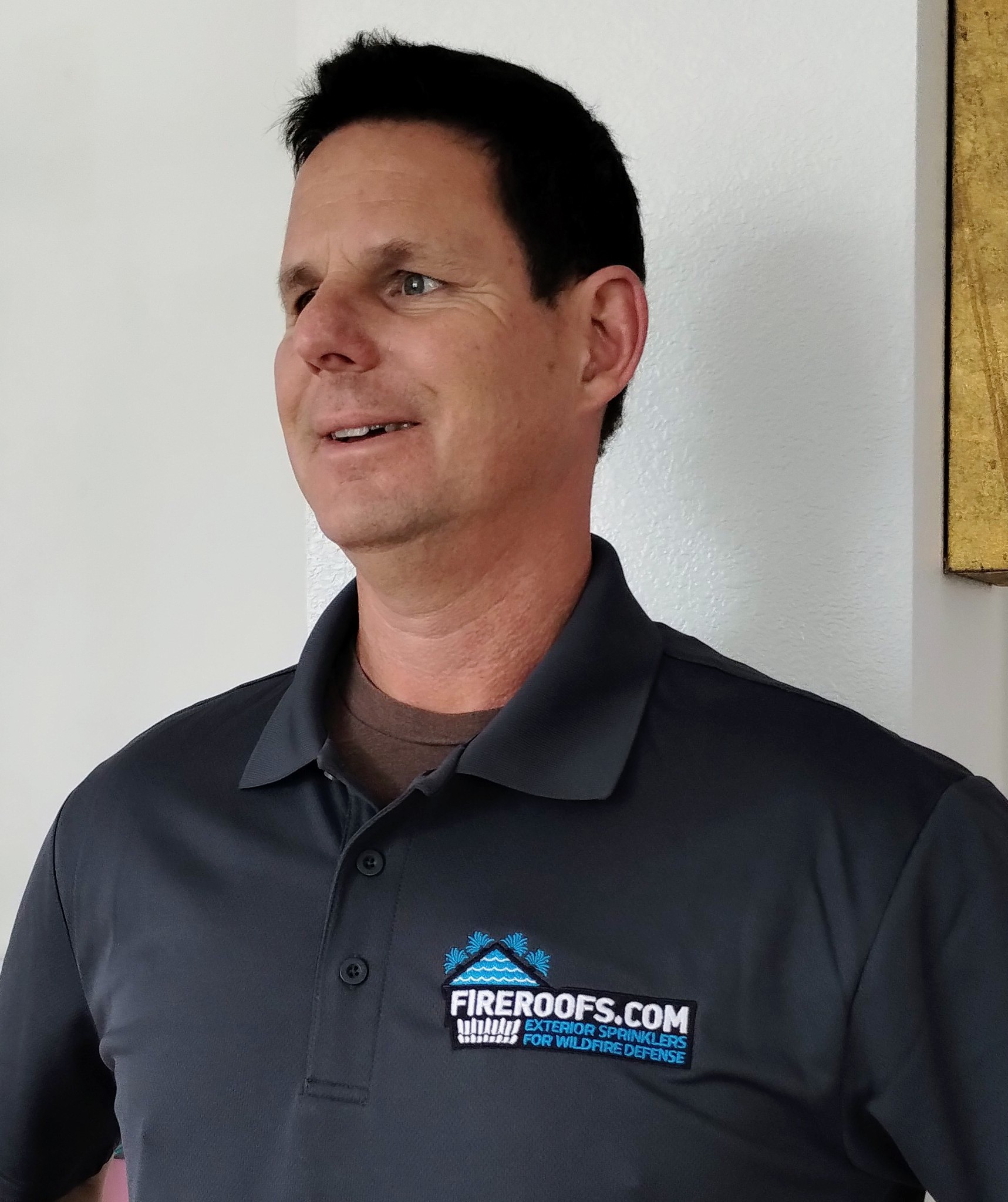
- Shawn Gardner
- Dec 5, 2025
- 4 min read
Updated: Feb 3
How IoT Sensors Help Monitor Roof Health in Real Time
The first question I often hear from homeowners is about early detection: how can I know if my roof is at risk before it’s too late? That’s where IoT sensors come in. These tiny devices monitor moisture levels, temperature changes, and even structural integrity in real time.
For example, sensors can detect moisture buildup under shingles or in the attic. This buildup can lead to mold or rot. They also track temperature spikes that might indicate smoldering embers or heat exposure. Some advanced systems alert you instantly via smartphone if readings cross dangerous thresholds. This means you can act quickly, whether it’s calling a professional or activating your roof sprinkler systems to cool down the roof surface.
In wildfire-prone areas, this kind of monitoring is a game changer. It gives you peace of mind knowing your roof’s condition is under constant watch, even when you’re away.
Using Drone Thermal Imaging to Spot Hidden Roof Problems
Another tool I’ve seen gain traction is drone thermal imaging. Drones equipped with infrared cameras scan roofs to detect temperature differences that aren’t visible to the naked eye. According to ASTM C1153 standards, a temperature differential of 3 to 5 degrees Celsius can signal issues like trapped moisture or insulation failure.
This technology helps identify weak spots before they become costly problems. For instance, a drone scan might reveal a section of the roof that’s retaining heat excessively. This makes it more vulnerable to ignition during a wildfire. Early detection allows for targeted repairs or upgrades, improving your roof’s overall fire resistance.
If you’re considering this service, look for providers who follow ASTM C1153 guidelines to ensure accurate and reliable results.
How Roof Technologies Can Lower Roof Temperatures by 50°F
One of the simplest yet most effective upgrades I recommend is applying reflective coatings to your roof. These coatings reflect sunlight and reduce heat absorption. This can lower roof surface temperatures by up to 50 degrees Fahrenheit. The EPA reports that cool roofs can reduce cooling demand inside the home by 11 to 27 percent, which also helps reduce energy bills.
Lower roof temperatures mean less risk of ignition from radiant heat during wildfires. Reflective coatings are especially useful in California’s hot climate, where roofs can reach extreme temperatures on sunny days. Applying these coatings is a cost-effective way to improve your roof’s fire resistance and energy efficiency at the same time.
Why Class A Fire Ratings Matter for Wildfire Zones
When it comes to wildfire defense, not all roofing materials are created equal. Class A fire ratings represent the highest level of fire resistance. Materials with this rating can withstand severe exposure to fire, including burning embers and radiant heat.
In California’s wildfire zones, building codes often require Class A rated roofs. I’ve installed many roofs using Class A foam and other fire-resistant materials that meet these standards. These materials don’t just resist flames; they also prevent sparks from penetrating the roof. This reduces the chance of your home catching fire.
Choosing a Class A rated roof is critical for homes in California's wildland-urban interface. While the California FAIR Plan doesn't offer discounts for fire-resistant features, homeowners who can still secure coverage from standard carriers may qualify for premium reductions of 5 to 15 percent for Class A roofs. Comprehensive wildfire defense systems can earn discounts up to 35 percent from carriers that still serve high-risk areas. More importantly, many insurance companies now require these protective measures as a condition of coverage. Having professional wildfire defense installed may be the difference between securing insurance or being limited to the FAIR Plan with its $3 million coverage cap.
Key Reality: In 2024-2025 California, wildfire defense systems are increasingly about ACCESS to insurance rather than DISCOUNTS on insurance.

Integrating Wildfire Defense Systems for Maximum Protection
A roof alone can’t stop a wildfire, but it can be a critical part of a larger defense strategy. Systems like automated roof sprinklers, AI wildfire detection, and fire-resistant coatings work together to protect your home.
For example, AI wildfire detection uses sensors and cameras to spot fires early and alert homeowners or emergency services. When combined with roof sprinkler systems, these alerts can trigger immediate water activation to cool your roof and surrounding areas.
I’ve worked with many homeowners who installed these integrated systems through professional installation services. The upfront cost, starting around $50,000, might seem high, but the protection and insurance savings make it worthwhile. Plus, these systems are designed to meet strict insurance requirements and local building codes.
What to Expect from Professional Installation
Installing advanced roof protection technologies requires expertise. I always recommend hiring professionals who understand the nuances of wildfire defense. Proper installation ensures that IoT sensors, reflective coatings, and sprinkler systems work seamlessly together.
Professional installers also help you navigate local regulations and insurance paperwork. They can recommend the best materials, like Class A foam, and ensure your system is tailored to your home’s specific risks.
If you live in a high-risk area, check the service areas of trusted providers to find experts near you. A well-installed system can be the difference between losing your home and surviving a wildfire.
Taking Action to Protect Your Home Today
Wildfires are unpredictable, but your roof doesn’t have to be vulnerable. Technologies like IoT sensors, drone thermal imaging, reflective coatings, and Class A fire-resistant materials give you tools to stay ahead of the threat.
Start by assessing your current roof’s condition and fire rating. Consider investing in a comprehensive wildfire defense system that includes early detection and active protection measures. Reach out to professionals for a consultation and explore options that fit your budget and needs.
Protecting your home is about smart choices and timely action. With the right technology and expert help, you can reduce your wildfire risk and gain peace of mind.


Comments