We Evaluate Your Property. Engineer a System Around It. Then We Build It.
Every surface wet. Every gap sealed. One package for your insurer.
Four Steps. One Team. A Home That Can Defend Itself.
Terrain, vegetation, and roof material differ on every lot, so every system starts with a site visit.
Request a Private Consultation
A 45-minute visit. We walk the house, roof, vegetation, fencing, and vents.
We Find Every Vulnerability
Where embers land, where heat reaches, what burns first. We photograph every weak point.
You Get a Complete Roadmap
A written plan for hardening, defensible space and a sprinkler system, with real numbers and a timeline.
We Build It and Commission It
We test every zone and hand you the documentation.
45 minutes at your property. No commitment.
Three Zones. Every Surface.
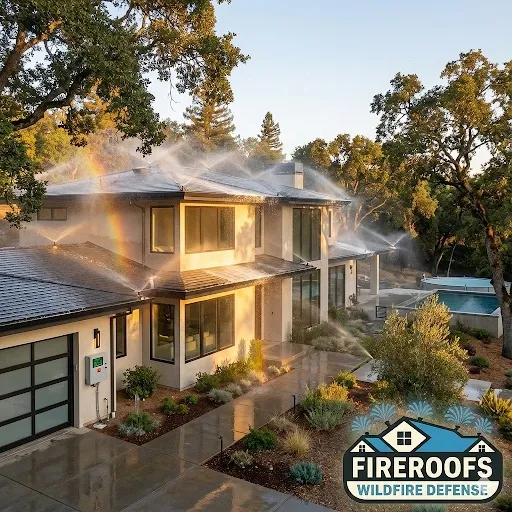
Embers hit the roof, push into the eaves, and ignite brush at the foundation. The system wets all three at once.
Zone 01
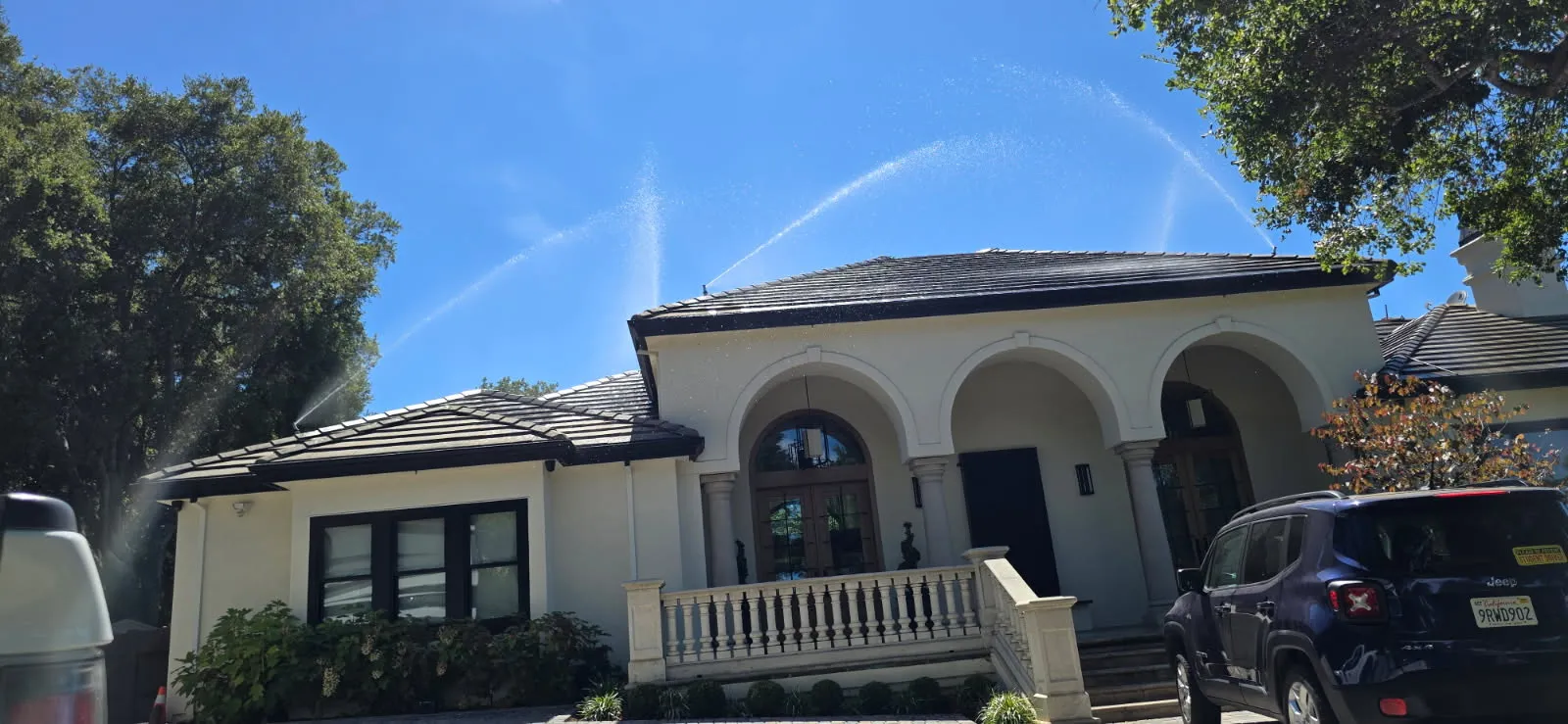
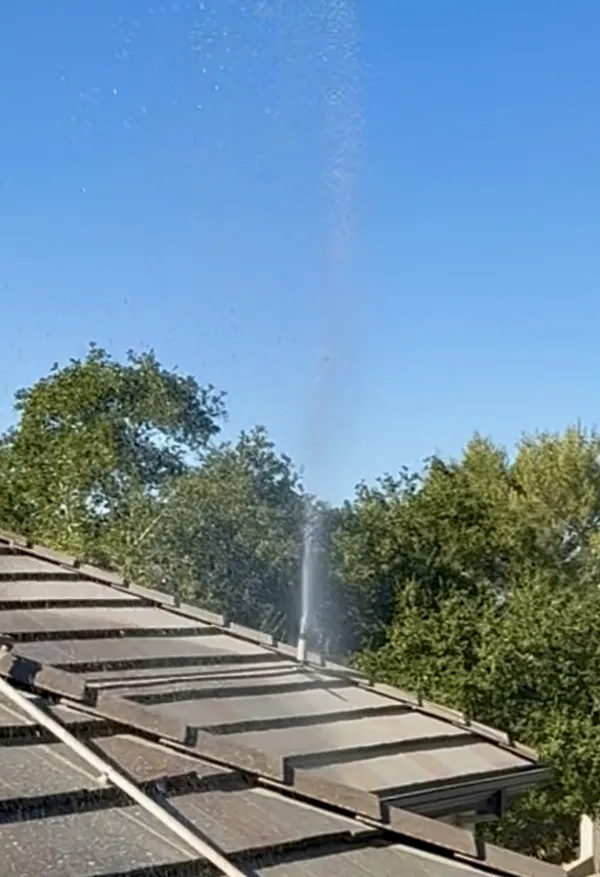
Roof Zone
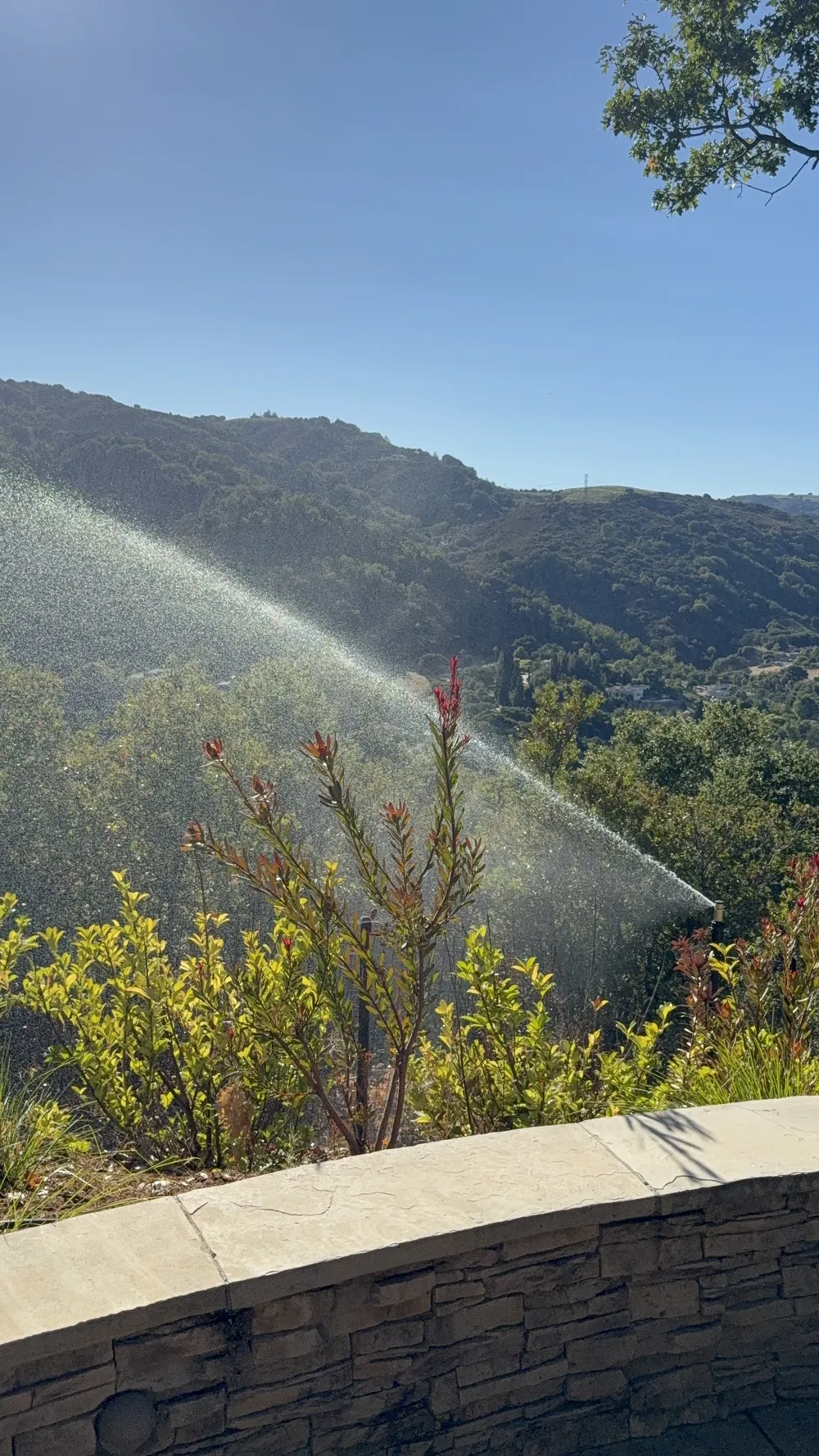
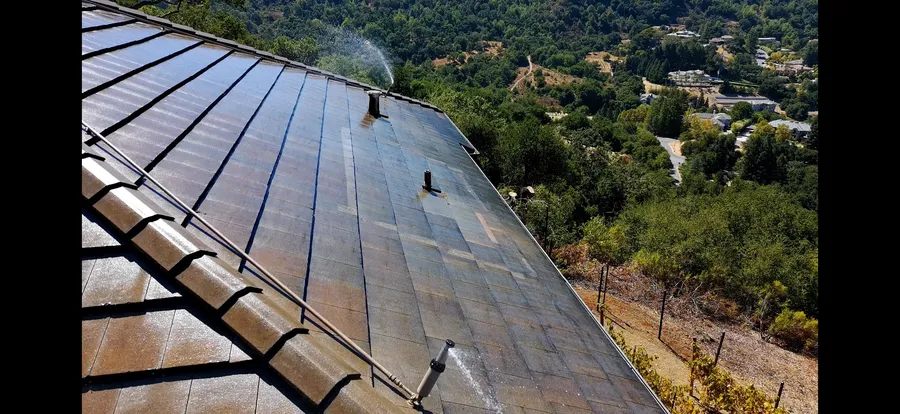
Rotating sprinklers wet ridges, valleys, and gutters, and each head throws water 30 to 35 feet.
Metal roof? We shift focus to the eaves and perimeter.
Zone 02
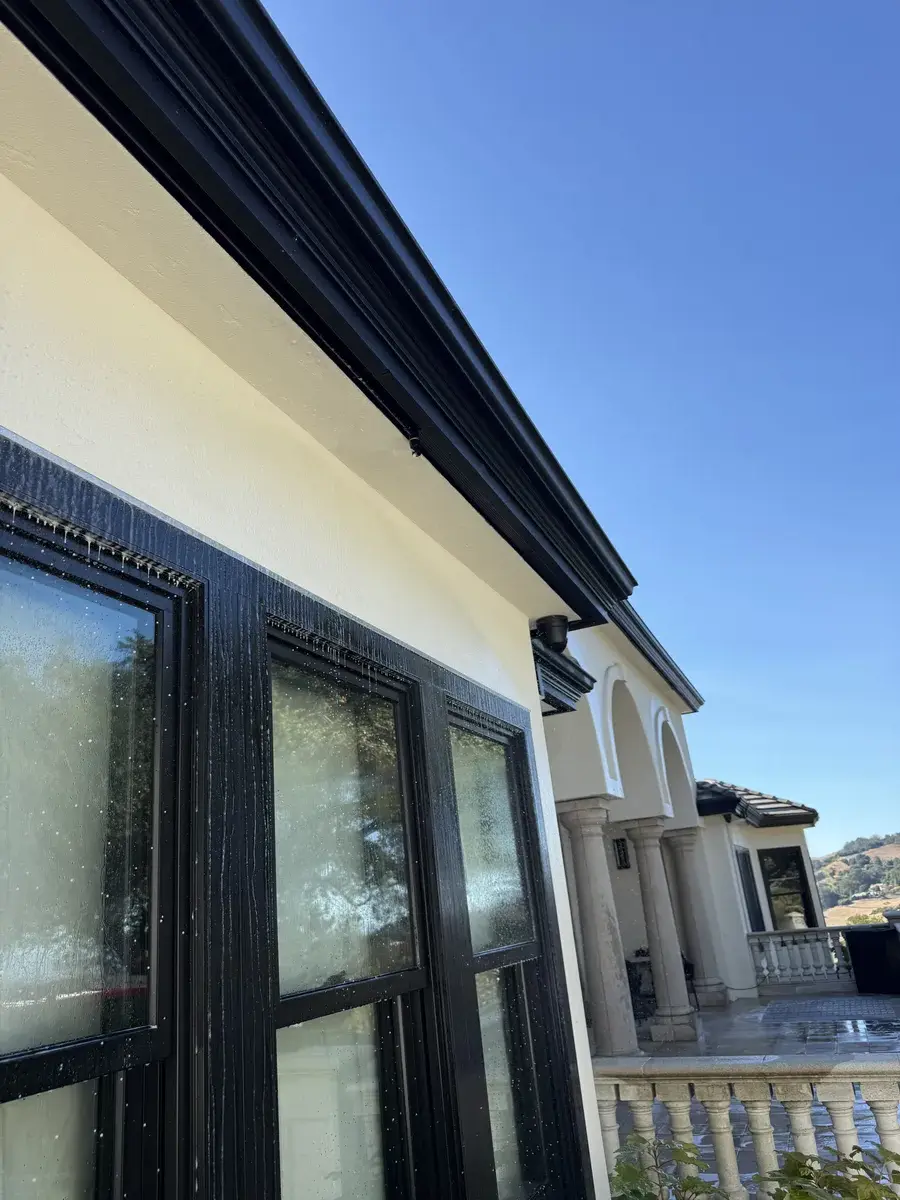
Eave Zone
Most homes ignite here. Eave nozzles keep soffits, vents, siding and windows wet while the fire front passes.
Zone 03
Perimeter Zone
Perimeter heads point outward and wet vegetation up to 35 feet from the house, Zone Zero included.
Two Layers of Detection. Neither One Needs You Home.
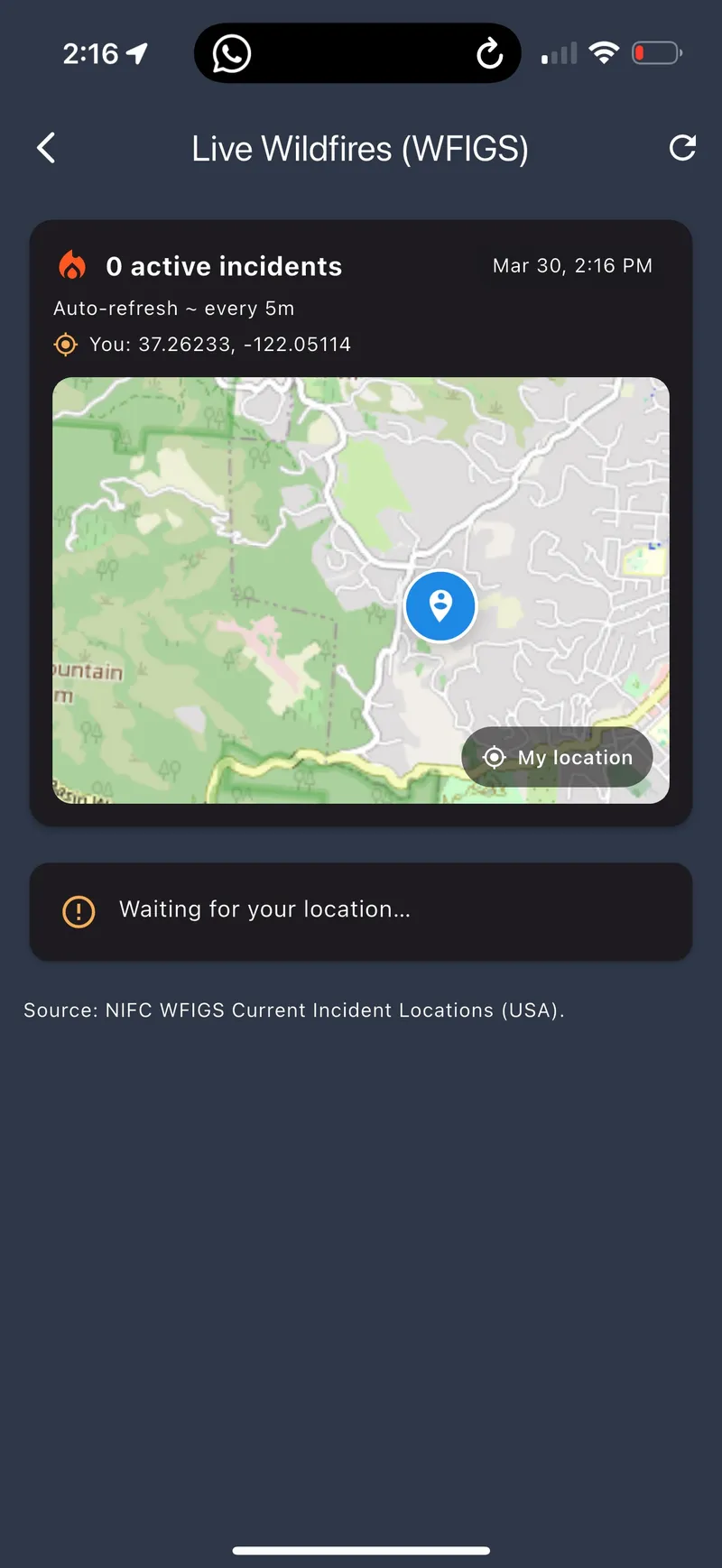
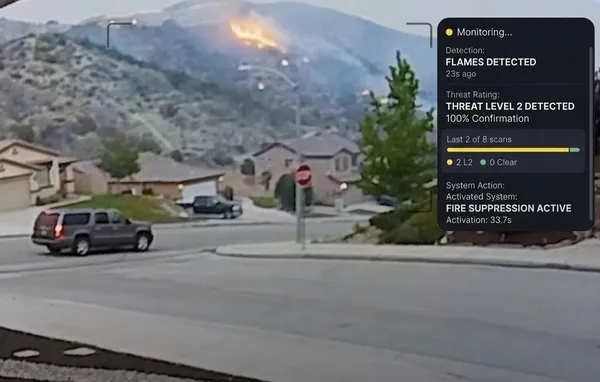
Regional satellite wildfire monitoring and on-property cameras, so the system never depends on a single source.
Regional Satellite Monitoring
Around the Clock
Watches for wildfire around your home day and night and sends a push notification the moment a fire is reported nearby.
On-Property Camera Detection
Fire Alerts From Your Home
Cameras on your home watch for fire near the property and alert you the moment they spot one.
You Get a Push Notification. Not a Phone Call.
The FireRoofs app shows what your system is doing: status, fire alerts from your cameras, nearby wildfire alerts, and manual sprinkler controls.
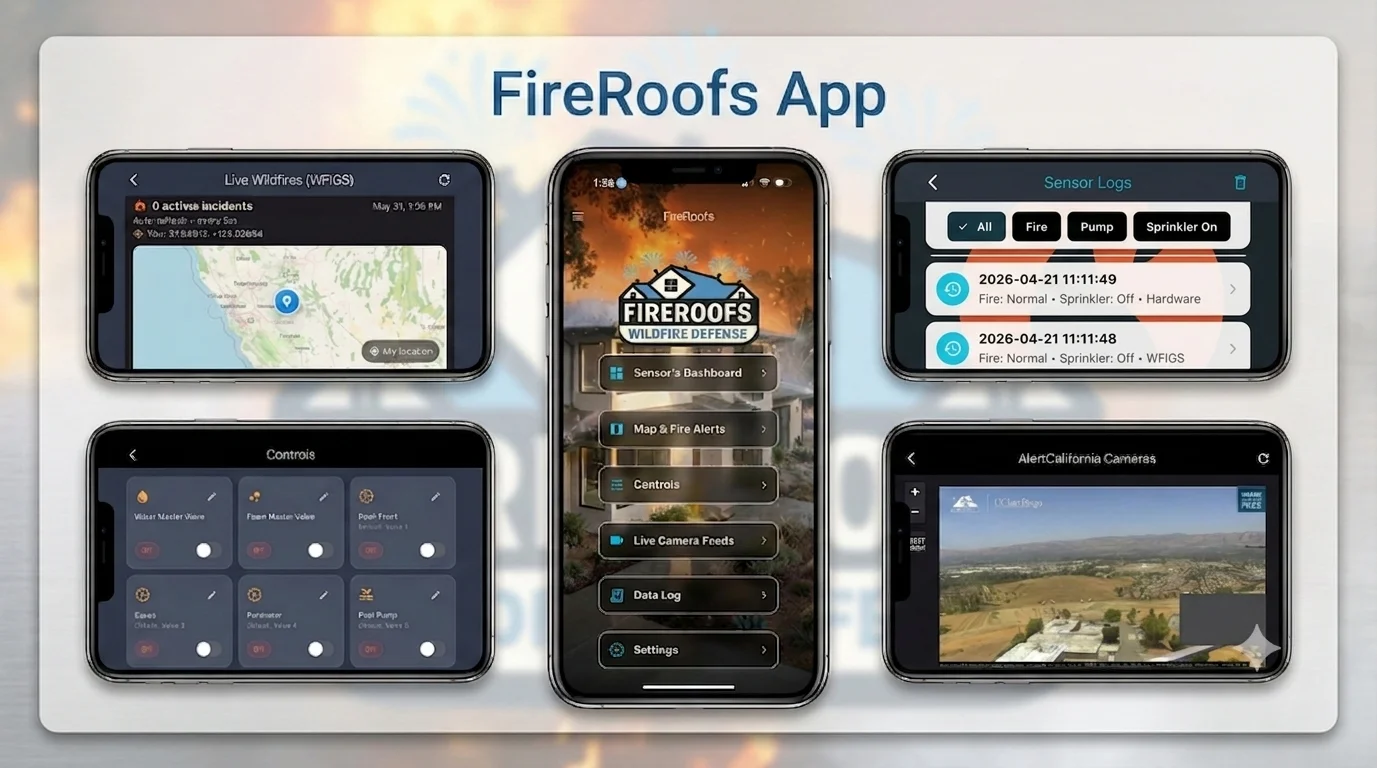
Satellite internet is recommended so the app keeps working if local internet fails.
Watch
See the System in Action
From Detection to Defense: What Happens Step by Step
Every step is automatic. You do not need to be home.
Satellite Wildfire Monitoring
Around the Clock
Watches for wildfire around your home day and night and sends a push notification the moment a fire is reported nearby.
Layer 1 of dual wildfire detection.
On-Property Camera Detection
Fire Alerts From Your Home
Cameras on your home watch for fire near the property and alert you the moment they spot one.
Layer 2 of dual wildfire detection.
Automated Threat Escalation
Defense That Ramps Up
Water starts for a confirmed fire and runs more often and longer as the fire gets closer or conditions turn dangerous. No button to push.
Push notification at every threat level change.
Roof, Eave, and Perimeter Sprinkler Activation
All Three Zones
Roof heads throw water 30 to 35 feet. Eave heads cover ember entry points. Perimeter heads wet Zone 0 and beyond.
Copper pipe throughout.
Optional Class A Foam Deployment
Maximum Surface Protection
On Fortress tier properties, Class A foam runs through the same heads and holds moisture longer than water. Biodegradable and non-toxic.
Foam is always optional.
Automatic Rinse, Reset, and System Confirmation
Back to Standby
When the threat clears, every zone rinses and returns to standby. The app gets a status report.
Ready for the next threat.
Home Hardening: Closing Every Gap Embers Can Find
Sprinklers wet the home. Hardening makes it harder to ignite. We handle both in one scope of work.
Ember-Resistant Vents
Attic and foundation vents that stop embers and keep airflow.
FireRoofs coordinatedNoncombustible Fencing
Steel or masonry within 5 feet, so a fence cannot carry fire to the wall.
FireRoofs coordinatedZone Zero Clearance
Nothing that burns within 5 feet of the house. No mulch, firewood or wood planters.
FireRoofs coordinatedEnclosed Eaves and Soffits
Boxed-in eaves remove a common ember trap where roof meets wall.
FireRoofs coordinatedExterior Wall Cladding
Ignition-resistant siding from ground to roofline.
FireRoofs coordinatedYour Insurance Situation Shapes the Plan
Active policy, non-renewal notice or already on the FAIR Plan. We set scope and timing to match.
Evaluate Your Insurance Situation
We review your coverage and any non-renewal notice to see what matters most.
Prioritize High-Impact Mitigation
Facing a deadline? We start with what your carrier weighs most.
Coordinate Active and Passive Scope
Sprinklers and hardening run on one schedule with one project manager.
Document Every Phase
Specs, photos and system records, mapped to the Safer from Wildfires categories the project touches.
Deliver the Evidence Packet
Use it for discount requests, non-renewal appeals and FAIR Plan exit plans.
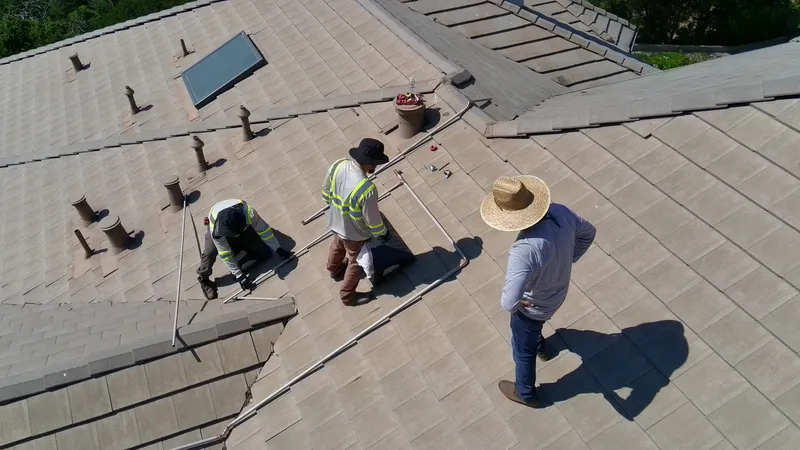
Professional Installation, Coordinated by FireRoofs
- 3 to 10 days construction depending on property size and complexity
- 1 to 2 days commissioning and homeowner orientation
- 100% exterior-mounted. No roof penetrations, no interior wall work
- Copper pipe throughout
Water Supply: What Happens When the Grid Fails
Your Own Water
If you have a pool or storage tank, the system runs from it, so it does not depend on city pressure during a fire.
No Pool or Tank?
We can add a storage tank sized to your system, or design around your city supply.
Backup Power
Runs on your home's generator or whole-home battery. Satellite internet is recommended.
In the January 2025 Palisades Fire, municipal water failed under demand. Systems with an independent water source do not depend on the grid.
See It Installed on a Real Property
Questions About How the System Works
How do automated wildfire sprinklers and home hardening work together?
Sprinklers wet the roof, eaves and perimeter during a fire. Hardening makes the house itself resist embers and heat. Both are documented against the Safer from Wildfires categories the project touches.
What is the difference between active and passive wildfire defense?
Active defense is automated exterior sprinklers that put water down before fire arrives, with optional Class A foam on the Fortress tier. Passive defense is ember-resistant vents, noncombustible fencing, enclosed eaves and Zone Zero clearance. FireRoofs does both in one scope of work.
Does the system work if I have already evacuated?
Yes. Every automated system activates on its own based on dual wildfire detection, not homeowner action. The FireRoofs app sends push notifications so you can monitor conditions remotely after evacuating.
What documentation does FireRoofs provide for insurance?
An Evidence Packet with the pre-installation assessment, material specs, progress photos, final system documentation, and a checklist mapped to the Safer from Wildfires categories the project touches.
How long does installation take?
Most sprinkler installations take 3 to 10 days of construction plus 1 to 2 days of commissioning. Hardening varies by property. One project manager runs one timeline.
Reviewed by the FireRoofs Team
Bay Area wildfire sprinkler specialists. Learn more about us
Last updated: August 2026
Sprinklers, Hardening, Documentation. Find Out What That Looks Like for Your Property.
We walk your property, photograph every weak point and give you a written plan. No commitment.